Your culture is building itself. The question is whether you’re the architect.
ENGAGE 2026: The Company Culture Report is here.
A high-performing culture does not happen by accident. ENGAGE 2026 examines the trends shaping employee engagement, leadership trust, career development, company values, and workplace culture — revealing where organizations are building with intention and where cracks may already be forming.
Explore the headline findings below, then access the full report for deeper analysis across organizational levels and actionable culture insights.
A Snapshot of Workplace Culture in 2026
The numbers tell a story. ENGAGE 2026 surfaced clear signals about trust, retention, leadership, engagement, and culture performance inside organizations.
of respondents say culture is essential to organizational success
say most of their company’s operational challenges are tied directly to culture
of employees have actively considered leaving in the last 12 months
trust company leaders
say their career development path is very clear
Culture matters. The challenge is whether organizations are consistently reinforcing the behaviors, trust, and accountability required to sustain it.
Key Findings from ENGAGE 2026
ENGAGE 2026 reveals several defining workplace culture trends shaping organizations today. While the full report explores the deeper patterns and organizational differences, four major themes surfaced clearly.
-
Middle managers are under strain
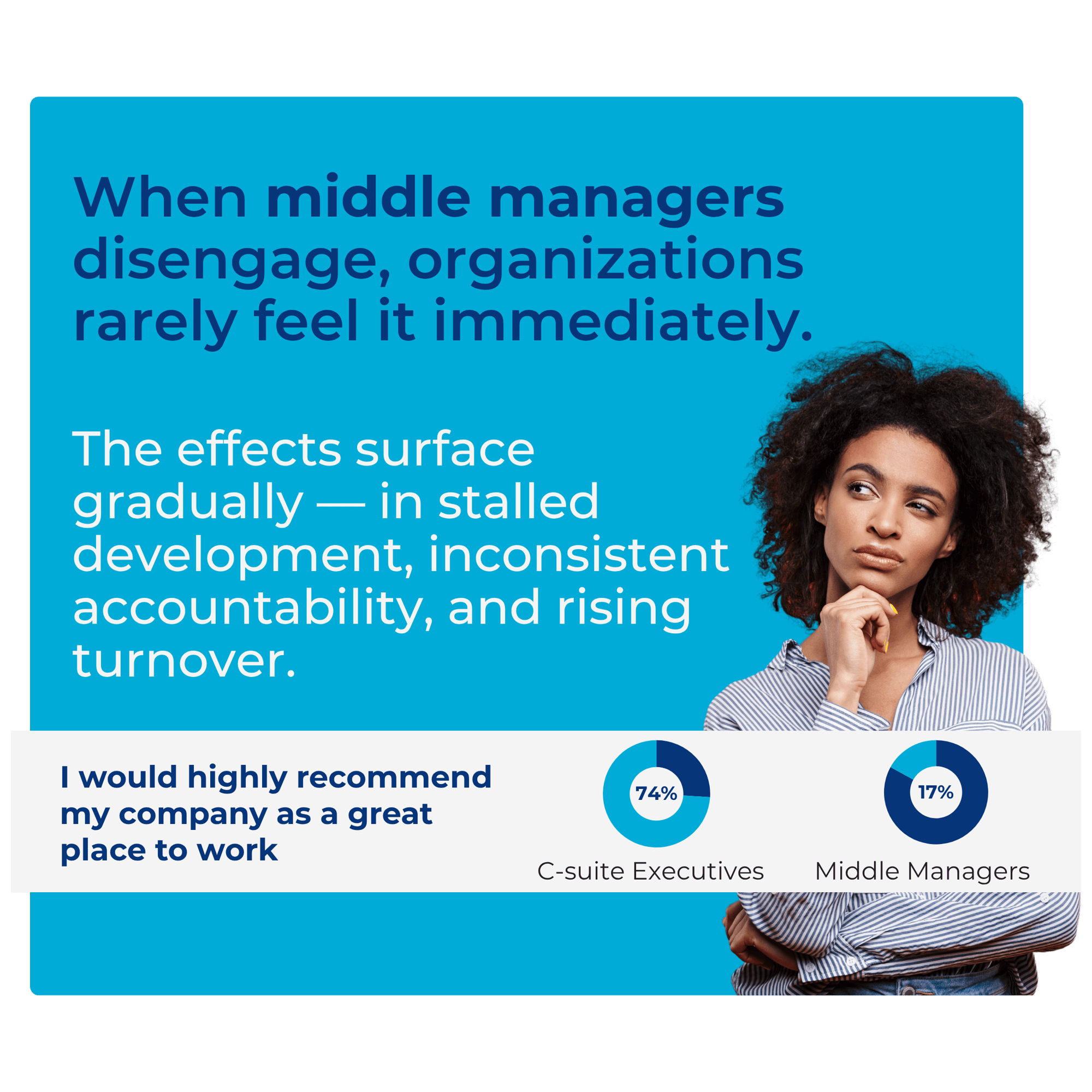
Middle managers — often responsible for translating vision into everyday execution — report lower trust, lower clarity, and greater turnover risk.
-
Trust continues to erode
Leadership accountability matters, but trust remains fragile. Confidence in company leaders has declined over multiple years.
-
Values are present, but not always reinforced
Many organizations define core values. Fewer consistently reinforce them in ways employees recognize and trust.
-
Belief in culture does not always translate to action
Organizations overwhelmingly agree culture matters, yet many still report operational challenges tied directly to culture performance.
These are the headlines. The deeper story — and what separates high-performing cultures from struggling ones — lives in the full report.
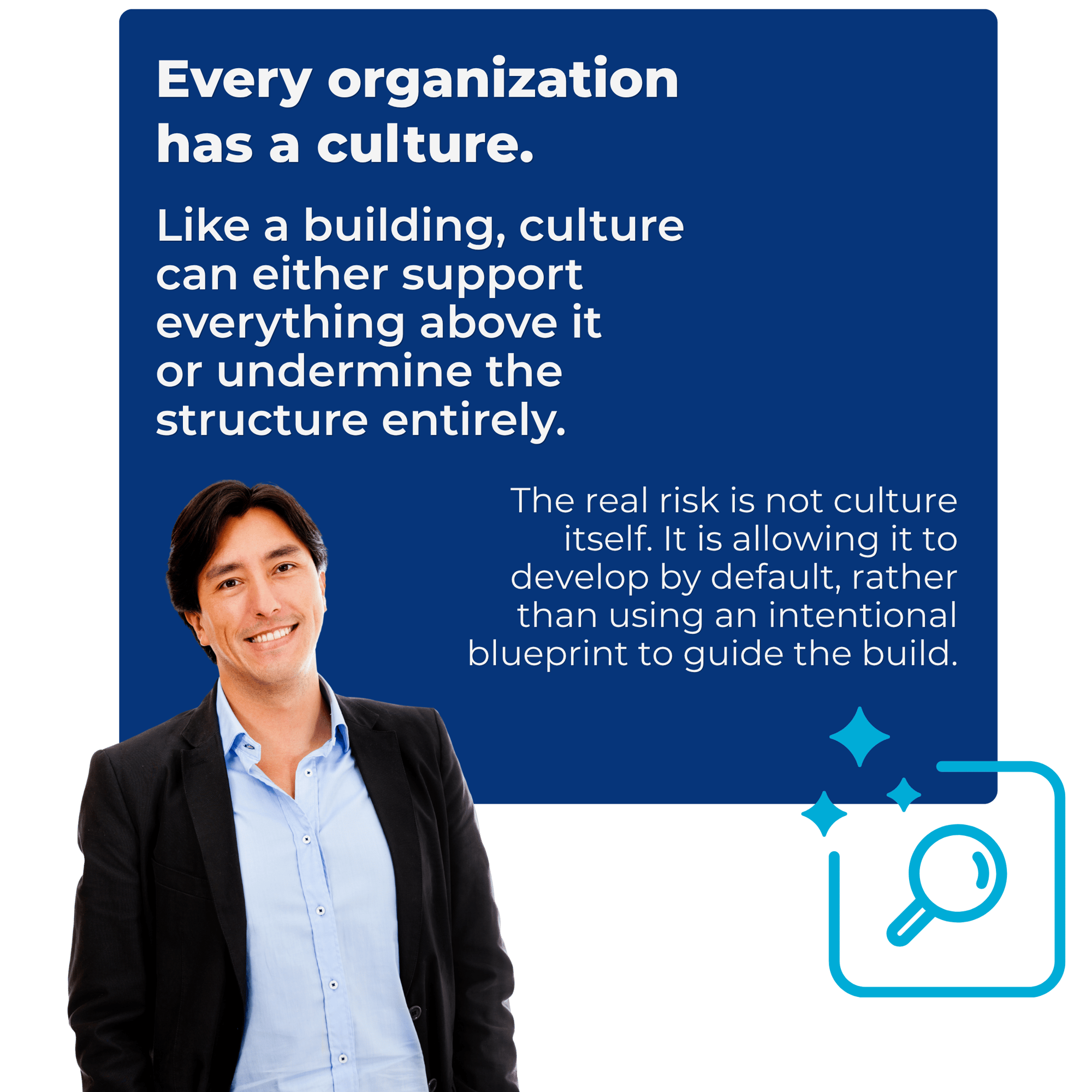
Every organization has a culture.
The real risk is letting it develop by default.
ENGAGE 2026 reveals where the structure is holding and where the cracks are beginning to form. From trust in leadership and employee engagement to career clarity and values alignment, the findings point to a consistent reality:
Culture is always being built — intentionally or unintentionally.
The Middle Manager Crisis
THE LOAD-BEARING LAYER IS CRACKING
Why are middle managers struggling in 2026?
Middle managers are the load-bearing beams of every organization. They translate vision into daily behavior, reinforce accountability, and absorb pressure from every direction.
Yet ENGAGE 2026 reveals that they are also among the most strained, least trusted, and least developed layers in the workforce.
When middle managers lack trust, clarity, or confidence in their own development, organizations often feel the effects indirectly — through stalled growth, inconsistent accountability, and rising turnover pressure.
The full ENGAGE 2026 report explores how these trends vary across organizational levels and what culture signals leaders should be watching closely.
of middle managers have actively considered leaving in the last 12 months
trust company leaders
say their career development path is very clear
The Values Gap
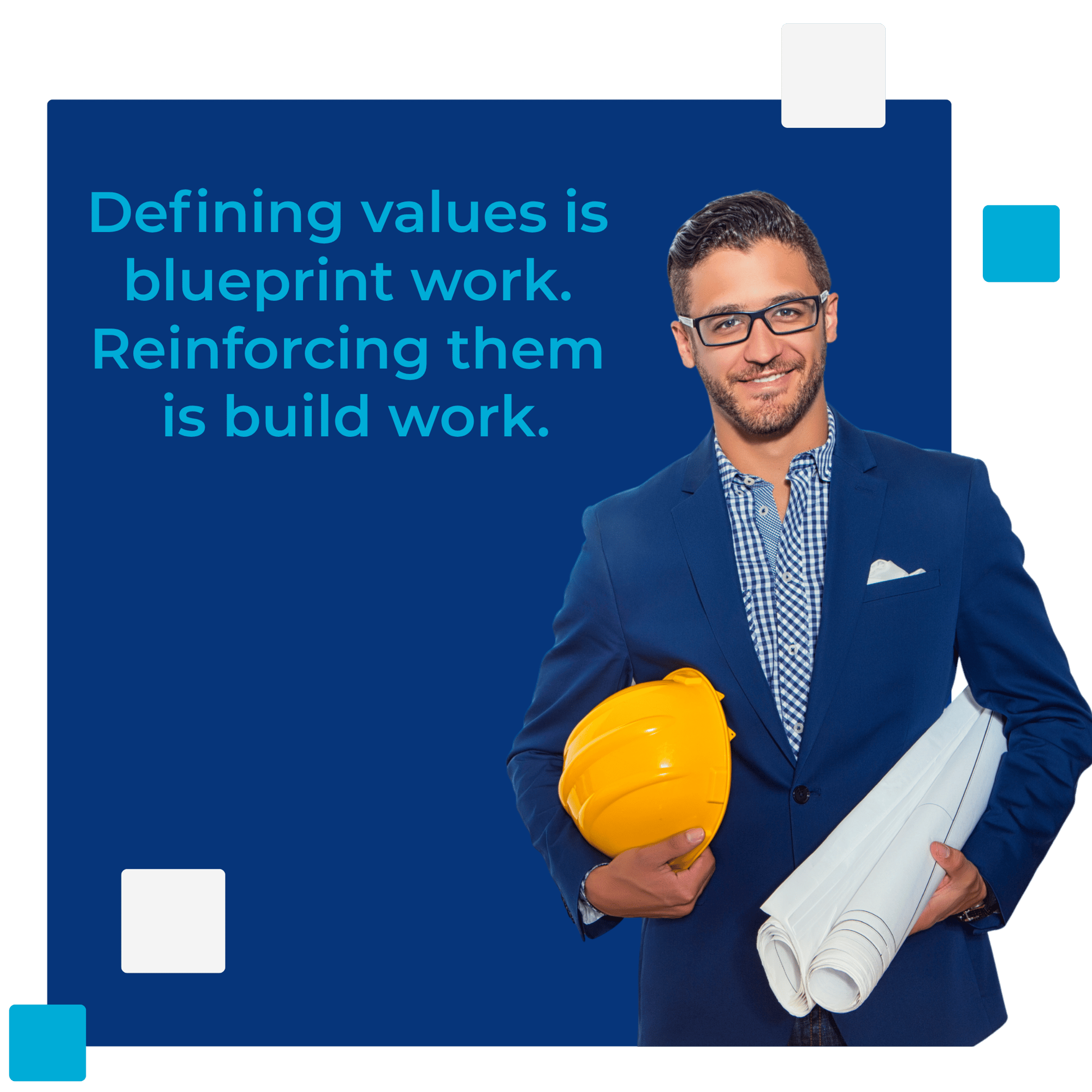
THE BLUEPRINT EXISTS. THE BUILD DOESN’T.
Why do company values fail to shape culture?
‣ 85% say leaders tolerate behaviors that contradict company values.
‣ 40% of middle managers know company core values compared to 70% of C-suite leaders.
Core values are the structural code of culture. They define what behaviors are rewarded, what gets reinforced, and what organizations will not tolerate.
But values only work when people understand them, see them modeled, and experience consistency around them.
say their company has core values
can actually say what those values are
say leaders fail to model core value behaviors.
Trust Is Eroding Year Over Year
THE FOUNDATION IS SHIFTING
Why are employees losing trust in leadership?
Trust is the foundation that holds culture together. It shapes credibility, accountability, engagement, and confidence in leadership.
ENGAGE 2026 reveals a concerning pattern: trust in company leaders has steadily declined over multiple years. While organizations may increase accountability, trust does not automatically follow. When expectations rise without consistency or follow-through, accountability can begin to feel transactional rather than relational.
Employees may comply with expectations. Commitment, however, becomes harder to sustain.
The full ENGAGE 2026 report explores the relationship between trust, accountability, leadership behavior, and employee advocacy.
The trajectory matters. Trust is rarely lost all at once — it shifts gradually through consistency, communication, and follow-through.
trust company leaders in 2026
↓ from 70% in 2023
say their manager always follows through on commitments
of employees who would not recommend their company say their manager does not follow through
The Knowing-Doing Gap
EVERYONE AGREES. NOT EVERYONE ACTS.
Why doesn’t workplace culture improve even when leaders care?
The problem is not awareness.
ENGAGE 2026 shows overwhelming agreement that culture matters and that operational performance is closely tied to workplace culture. Yet agreement alone does not build alignment, trust, or engagement.
Culture rarely erodes because organizations lack mission statements or good intentions. More often, it weakens in the gap between what leaders say and what teams consistently experience.
If leaders want engagement to strengthen rather than plateau, they must move from defining culture to operationalizing it.
The full report explores where organizations experience the greatest disconnect between culture intentions and employee experience.
The Four Engagement Elevators
ENGAGE 2026 evaluates workplace culture through four core dimensions of employee engagement and organizational performance. Together, these Engagement Elevators provide a practical framework for understanding how culture is built, reinforced, and experienced across an organization.
Blueprint: Shared Mission
Purpose, vision, and values define the design.
When organizations consistently reinforce mission, values, and purpose, teams build with greater urgency, clarity, and direction.
Learn more about shared mission and culture alignment →Builders: People Development
Growth determines whether people can execute the blueprint.
Career development, feedback, recognition, and coaching influence whether employees feel equipped to contribute and grow.
Beams: Valued Voice
Communication and collaboration strengthen alignment.
Feedback, communication, and collaboration form the invisible structure that keeps teams connected and moving together.
Foundation: Earned Trust
Integrity determines whether culture can hold.
Follow-through, accountability, and trust shape whether employees believe leadership actions align with expectations.
Frequently Asked Questions About Workplace Culture
-
What are the biggest workplace culture trends in 2026?
ENGAGE 2026 surfaced several major trends shaping workplace culture, including declining trust in leadership, rising strain among middle managers, misalignment around company values, and growing concern about career clarity and employee development. The report explores how these trends vary across organizational levels and employee experiences.

-
Why are middle managers struggling?
Middle managers often serve as the bridge between executive vision and daily execution. ENGAGE 2026 found that 57% of middle managers have actively considered leaving, while trust and career clarity remain significantly lower than expected for one of the organization’s most influential groups.
-
Why are employees losing trust in leadership?
Trust is closely tied to consistency, follow-through, and leadership behavior. ENGAGE 2026 found trust in company leaders declined from 70% in 2023 to 56% in 2026, while only 44% of employees said managers always follow through on commitments.
-
Why do company values fail to influence culture?
Many organizations define core values, but fewer reinforce them consistently. ENGAGE 2026 found that while 89% say their organization has core values, only half of employees can identify them, signaling a gap between defining values and reinforcing them.
-
Why does workplace culture matter to organizational performance?
Culture influences communication, trust, retention, engagement, accountability, and alignment. In ENGAGE 2026, 100% of respondents said culture is essential to organizational success, while 88% connected operational challenges directly to culture.
-
What is the biggest risk to workplace culture?
One of the greatest risks is allowing culture to develop unintentionally. ENGAGE 2026 reinforces that culture is always being shaped — through leadership behavior, communication, trust, accountability, and employee experience — whether organizations actively design for it or not.
-
What are the Four Engagement Elevators?
The Four Engagement Elevators are Up Your Culture’s framework for understanding employee engagement and organizational culture: Shared Mission, People Development, Valued Voice, and Earned Trust. Together, they help organizations evaluate how culture is experienced and reinforced.
GET THE FULL REPORT!
These are the headlines. The full story is in the report.
ENGAGE 2026 surfaces the most important signals shaping workplace culture today — but this page only scratches the surface.
The full report includes deeper analysis across organizational levels, expanded findings across the Four Engagement Elevators, additional benchmark data, and practical insights organizations can use to better understand culture performance.
Whether you lead HR, oversee culture strategy, support employee engagement, or manage teams, ENGAGE 2026 provides a clearer picture of the forces shaping employee experience right now.
Free access. Delivered directly to your inbox.